
Introduction:
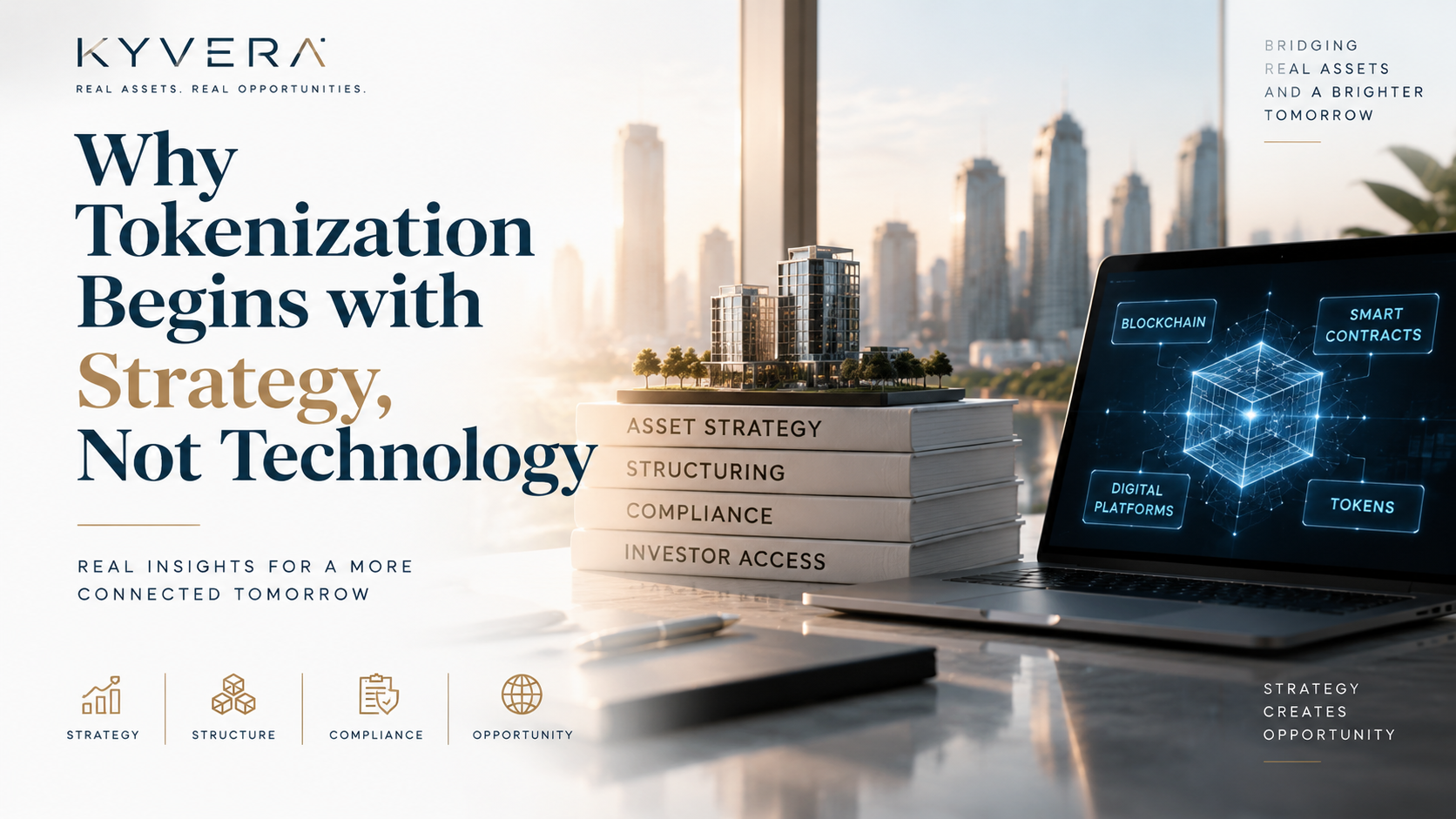
The Future of Asset Ownership Requires Strategic Thinking
The future of asset ownership is evolving beyond traditional models. Real estate, infrastructure, agriculture, and other valuable assets are being explored through digital transformation to create structured opportunities.
While Real-World Asset (RWA) Tokenization discussions often focus on blockchain and digital platforms, successful tokenization begins with understanding the asset, defining ownership structures, evaluating market potential, and establishing compliant frameworks.
Tokenization is not only a technological process. It is a strategic transformation of how assets are structured, accessed, and managed.
Understanding Real-World Asset Tokenization
What Is RWA Tokenization?
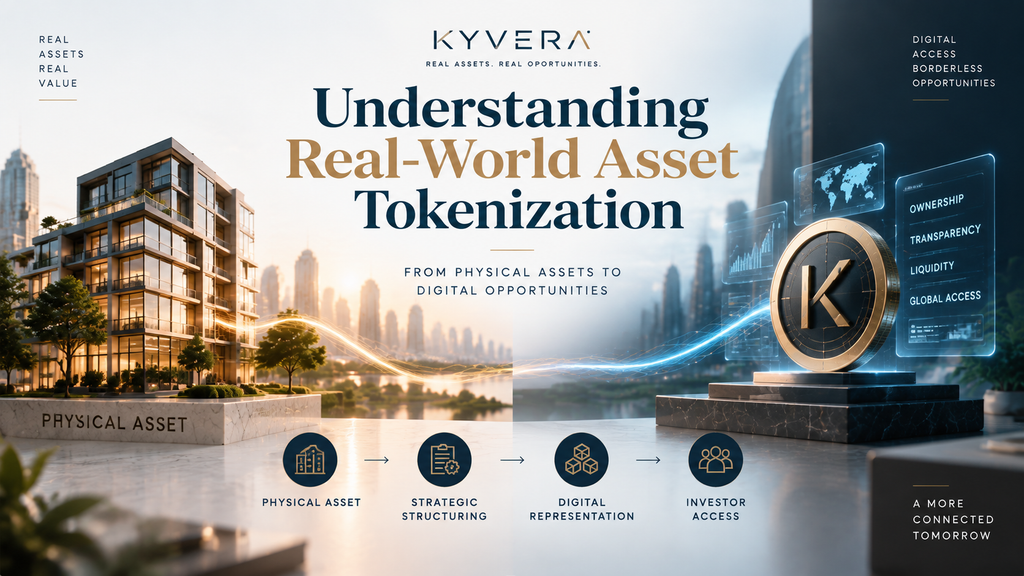
Real-World Asset Tokenization is the process of representing ownership rights or economic value connected to physical assets through digital tokens.
These assets may include:
- Real Estate
- Infrastructure Projects
- Agricultural Assets
- Natural Resources
- Institutional Investment Opportunities
Tokenization connects traditional asset markets with digital ecosystems.
The process can be represented as:
Physical Asset → Strategic Structuring → Digital Representation → Investor Access
The value of tokenization depends not only on the token but also on the underlying asset, legal framework, governance model, and investment structure.
Why Strategy Must Come Before Technology
Creating Purpose Before Selecting Tools
Many organizations begin tokenization by focusing on technology decisions:
- Which blockchain should be used?
- Which platform can issue tokens?
- Which technology solution is available?
However, these decisions should come after strategic planning.
The key questions should be:
- Is the asset suitable for tokenization?
- What ownership model creates value?
- Who are the target investors?
- What compliance requirements apply?
- How can the opportunity achieve long-term sustainability?
Without strategic clarity, technology becomes a solution without direction.
Asset Assessment and Strategic Structuring
Understanding The Foundation Of Tokenization
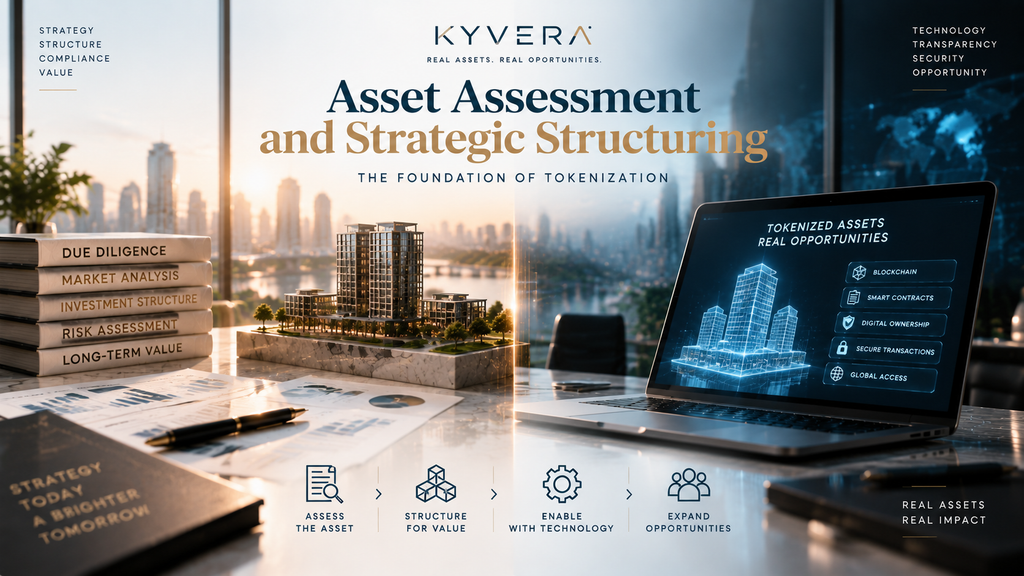
Every asset requires careful evaluation before entering the digital economy.
Important considerations include:
- Asset ownership and documentation
- Market demand
- Revenue potential
- Investment suitability
- Long-term value creation
Different assets require different structures. A commercial property, infrastructure project, or agricultural opportunity may need unique ownership models and investment frameworks.
Strategic structuring ensures that digital representation reflects real economic value while creating confidence among stakeholders.
Technology as an Enabler of Transformation
The Right Technology Supports The Strategy
Technology enables the transformation of assets into digital opportunities.
Blockchain infrastructure can provide:
- Transparent ownership records
- Secure transactions
- Automated processes
- Digital asset management
However, technology should support the asset strategy rather than define it.
The right solution depends on:
- Asset requirements
- Regulatory environment
- Investor expectations
- Operational objectives
The most advanced technology is not always the best solution. Practical value and sustainability remain the priority.
Market Potential of Tokenized Assets
The growing interest in RWA tokenization reflects a shift toward digital ownership models.
| Market Area | Opportunity |
| Real Estate | Expanding access to structured property investment opportunities |
| Infrastructure | Creating new participation models for large-scale projects |
| Institutional Assets | Supporting digital asset frameworks |
| Global Markets | Connecting assets with broader investor networks |
Future adoption will depend on trust, transparency, compliance, and strategic execution.
Kyvera’s Strategic Approach to RWA Tokenization
Kyvera focuses on building the strategic foundation required for successful asset transformation.
Through the Kyvera Orchestration Layer, Kyvera connects asset owners, advisory partners, technology providers, compliance experts, and investors to create structured digital opportunities.
Asset Intelligence
Understanding asset potential, ownership structure, and identifying suitable tokenization opportunities.
Strategic Structuring
Developing ownership models and investment frameworks aligned with objectives.
Regulatory Alignment
Supporting compliant pathways that build confidence among stakeholders.
Technology Enablement
Connecting strategic requirements with suitable technology solutions and partners.
Global Distribution
Creating pathways for qualified investors and institutions to participate.
Kyvera acts as a bridge between traditional assets and the emerging digital ownership ecosystem.
Frequently Asked Questions (FAQs)
What is RWA tokenization?
RWA tokenization represents ownership rights or economic value connected to real-world assets through digital tokens.
Why is strategy important in tokenization?
Strategy defines the asset structure, ownership model, investor approach, and regulatory pathway before technology decisions are made.
Is blockchain the only requirement for successful tokenization?
No. Blockchain supports digital representation, but success depends on asset quality, strategic planning, compliance, and market readiness.
What types of assets can be tokenized?
Potential assets include real estate, infrastructure, agriculture, natural resources, and other valuable real-world opportunities.
Conclusion
The future of asset ownership will not be created by technology alone. Successful tokenization begins with strategy, intelligence, and structured decision-making.
Organizations that understand their assets, investors, and regulatory requirements will be better positioned to create meaningful digital opportunities.
Through its Orchestration Layer, Kyvera helps organizations transform real-world assets into structured, compliant, and digitally accessible opportunities through strategic advisory, asset intelligence, regulatory understanding, technology partnerships, and market expertise.